
Language Learning
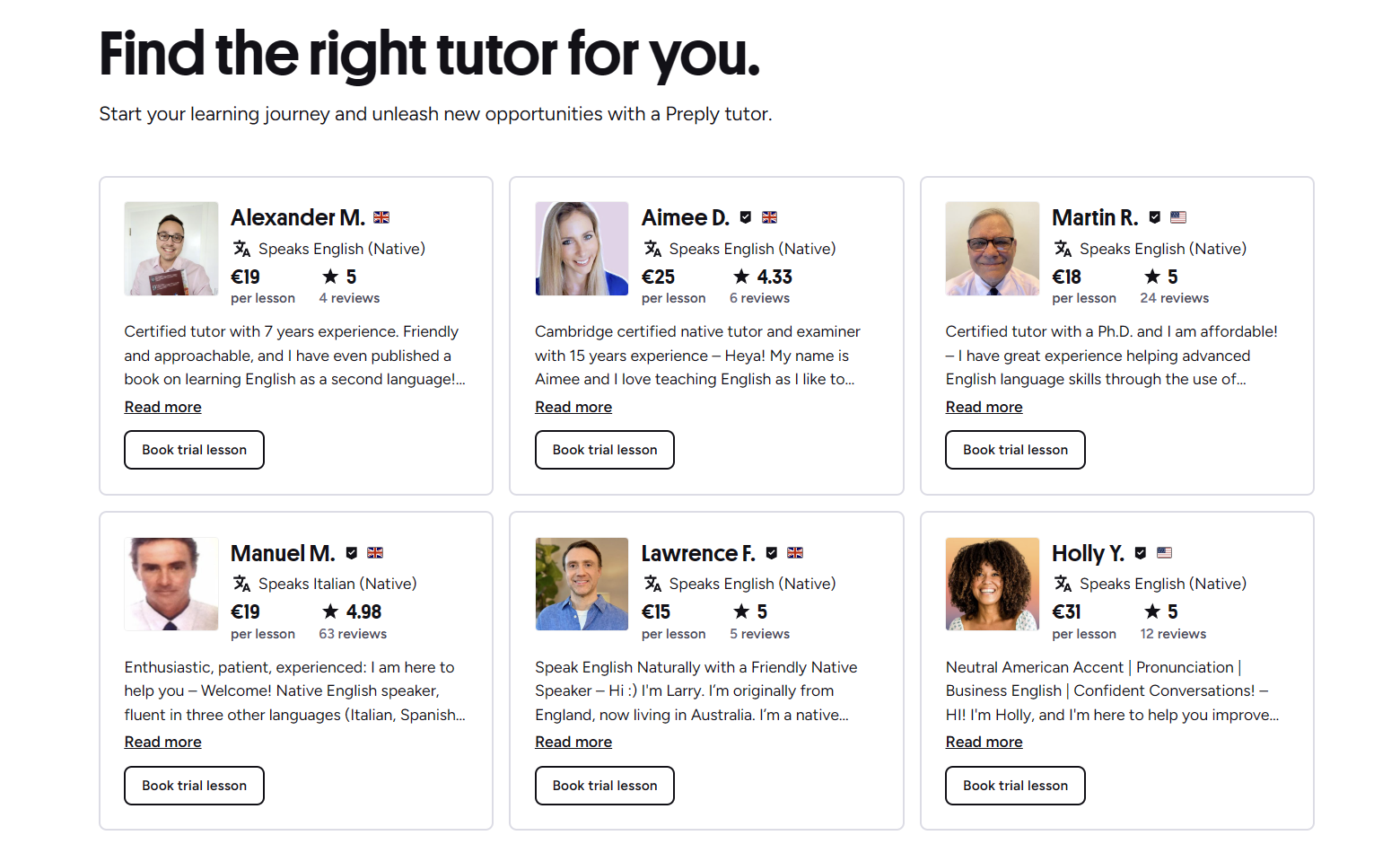
Preply English Conversation Tutors: Finding the Right Match
A practical guide to choosing conversation tutors on Preply for fluency goals.
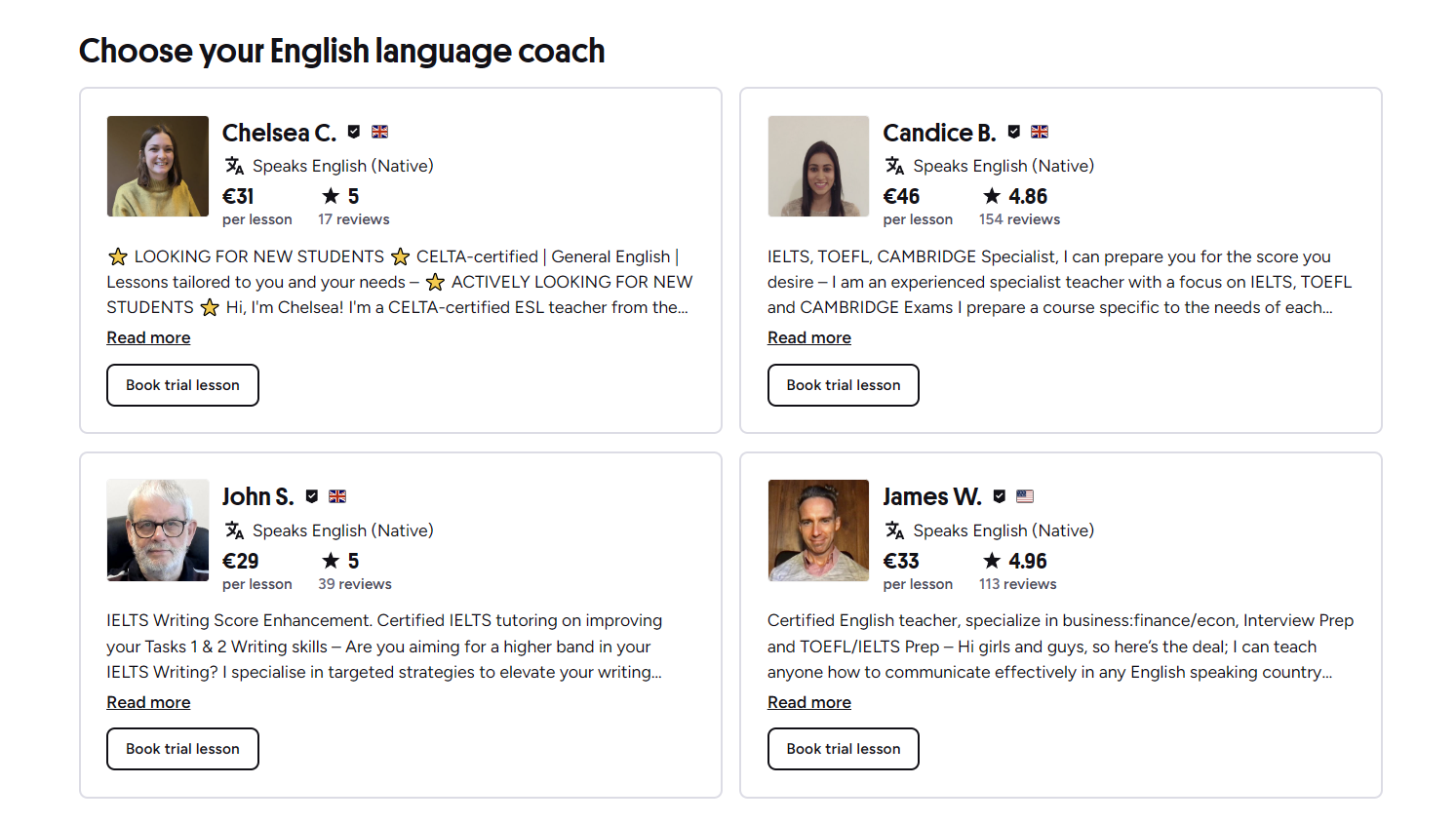
Most people who sign up for Preply English conversation tutors have a specific goal in mind. Some need to pass a job interview in English. Others want to stop freezing up when a native speaker talks too fast. A few just want to sound less robotic on Zoom calls. The platform has thousands of tutors, but the experience varies wildly depending on who you pick and how you structure the lessons.
Contents
- 1. How Preply Conversation Lessons Actually Work
- 2. Filtering for Conversation-Focused Tutors
- 3. What Different Price Tiers Get You
- 4. Native vs. Non-Native Tutors for Conversation
- 5. Structuring Lessons for Actual Progress
- 6. Using Preply Tools During Conversation Lessons
- 7. Common Conversation Lesson Formats
- 8. Scheduling and Consistency Realities
- 9. The Preply English Level Test and Placement
- 10. Tracking Progress Without Formal Tests
- 11. When to Switch Tutors
- 12. Preply for Business English Conversation
- 13. Accent and Pronunciation Work in Conversation Lessons
- 14. Group Lessons and Conversation Clubs
- 15. Technical Setup and Platform Quirks
- 16. Cost Management and Subscription Mechanics
- 17. Refunds, Disputes, and Support Reality
- 18. Comparing Preply to Alternatives for Conversation
- 19. Red Flags in Tutor Profiles and Trials
- 20. Building a Sustainable Conversation Routine
- 21. Final Assessment of Preply English Conversation Tutors
I spent weeks testing different approaches: booking trial lessons with tutors across price ranges, comparing how they handle correction, and tracking whether the platform tools actually help or just get in the way. The short version: Preply works well for conversation practice if you know what to look for and avoid a few common traps. The long version follows.
This guide covers how to filter tutors effectively, what different price tiers actually buy you, which platform features matter for speaking practice, and how to structure lessons so you make measurable progress instead of just chatting.
How Preply Conversation Lessons Actually Work
Preply markets itself as a marketplace, not a school. That means no standardized curriculum, no placement test that locks you into a level, and no guaranteed teaching method. You book a tutor, show up on video, and talk. The platform provides the scheduling, payment, and video classroom. Everything else depends on the tutor.
The video classroom includes a shared whiteboard, chat box, and file sharing. Some tutors use these heavily. Others ignore them entirely and just talk. There is no built-in conversation curriculum unless the tutor brings one. Preply does offer a separate "Courses" feature with structured materials, but those are distinct from regular tutor sessions and not all tutors use them.
Filtering for Conversation-Focused Tutors
The tutor directory lets you filter by language, price, availability, and specialty tags. For conversation practice, the most useful filters are "Conversation" under Specialties and "Native speaker" if that matters to you. But tags are self-reported. A tutor who checks "Conversation" might still spend half the lesson on grammar drills.
Look at the video introduction. Tutors who specialize in conversation usually demonstrate it: they speak naturally, ask questions, and show how they handle corrections. Skip tutors whose intro videos are scripted monologues about their degrees. Degrees don't predict conversation teaching ability.
Read the reviews specifically for conversation practice. Filter reviews by keyword if possible, or scan for phrases like "speaking confidence," "natural conversation," "correction style," or "comfortable talking." A tutor with 50 five-star reviews for IELTS prep might be terrible at casual conversation.
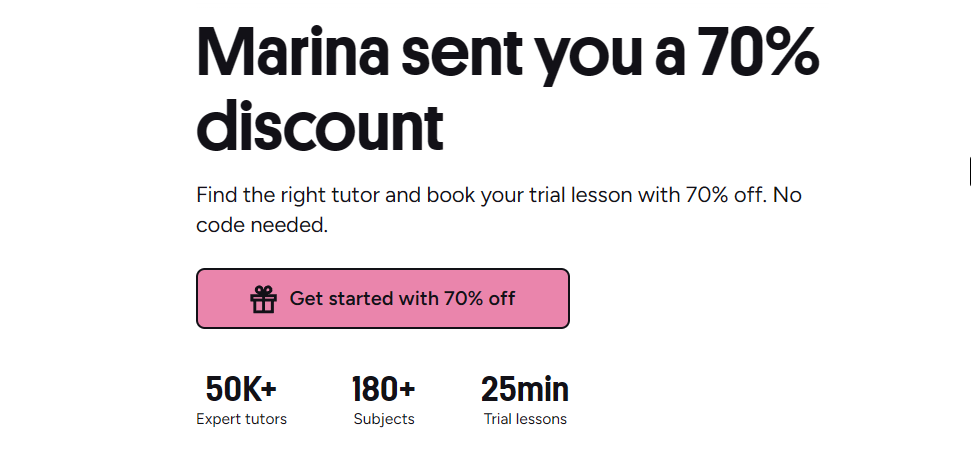
Trial lessons cost less than regular lessons, usually 50% off or a fixed low price. Book trials with three to five tutors who look promising. Treat them as auditions, not lessons. Come prepared with a specific topic you want to discuss and see how each tutor handles it.
What Different Price Tiers Get You
Preply tutor rates range from roughly $5 to $80 per hour. The price correlates loosely with experience and credentials, but not perfectly. Here is what you typically find at each tier.
Scroll horizontally to see all columns
| Price Range | Typical Profile | Conversation Suitability |
|---|---|---|
| $5–15/hour | New tutors, non-native speakers, limited experience | Good for basic practice, patience varies |
| $15–30/hour | Experienced non-native or newer native tutors | Solid for regular conversation, some structure |
| $30–50/hour | Experienced native speakers, often certified | Strong conversation skills, better correction |
| $50–80+/hour | Specialists: examiners, business coaches, accent experts | Targeted feedback, professional contexts |
The $15–30 range is the sweet spot for most learners. You get tutors who have taught hundreds of lessons, know how to keep conversation flowing, and can explain why something sounds off without derailing the chat. Above $50, you are paying for niche expertise: IELTS speaking examiners, accent reduction specialists, or business English coaches. Below $10, you may get enthusiasm but inconsistent correction and occasional connection issues.
Native vs. Non-Native Tutors for Conversation
This debate gets heated. Native speakers offer intuitive feel for idioms, rhythm, and cultural nuance. Non-native speakers often explain grammar more clearly because they learned it consciously. For pure conversation practice, both work if the tutor is skilled.
Native speakers who have never taught tend to chat without correcting. That builds fluency but fossilizes errors. Non-native tutors with teaching backgrounds often over-correct, which kills flow. The best conversation tutors — native or not — know when to interrupt and when to let you finish a thought.
The tutor's teaching experience matters more than their passport for conversation practice.
If your goal is accent reduction or sounding natural in specific English-speaking cultures, a native speaker from that region helps. If you need someone who can explain why "I'm used to working" differs from "I used to work" mid-conversation, a qualified non-native tutor may be better. Many learners alternate: one native tutor for flow, one non-native for precision.
Structuring Lessons for Actual Progress
Showing up and chatting feels good but plateaus fast. Progress comes from deliberate structure. A simple framework that works for many learners:
- Warm-up (3–5 min): Casual check-in, builds comfort
- Targeted practice (20–30 min): Specific skill — storytelling, opinions, hypotheticals, workplace scenarios
- Feedback loop (5–10 min): Tutor notes 3–5 patterns to improve, you practice corrections immediately
- Homework agreement (2 min): One concrete task before next lesson — record a 2-minute monologue, learn 5 phrases, watch a clip and summarize
Share this structure with your tutor in the first lesson. If they resist structure, they may not be the right fit for deliberate practice. Good tutors appreciate direction; it makes their job easier.
Using Preply Tools During Conversation Lessons
The classroom whiteboard is underused. Tutors who type corrections, new vocabulary, or sentence frames in real time give you a searchable record. After ten lessons, you have a personal phrase bank. Ask your tutor to use the chat box for written corrections while you speak — it does not interrupt flow and you can review later.
The file sharing feature works well for article discussions. Send a link or PDF before the lesson, agree on discussion questions, then use the lesson to debate the topic. This beats "So, what did you do this weekend?" every time.
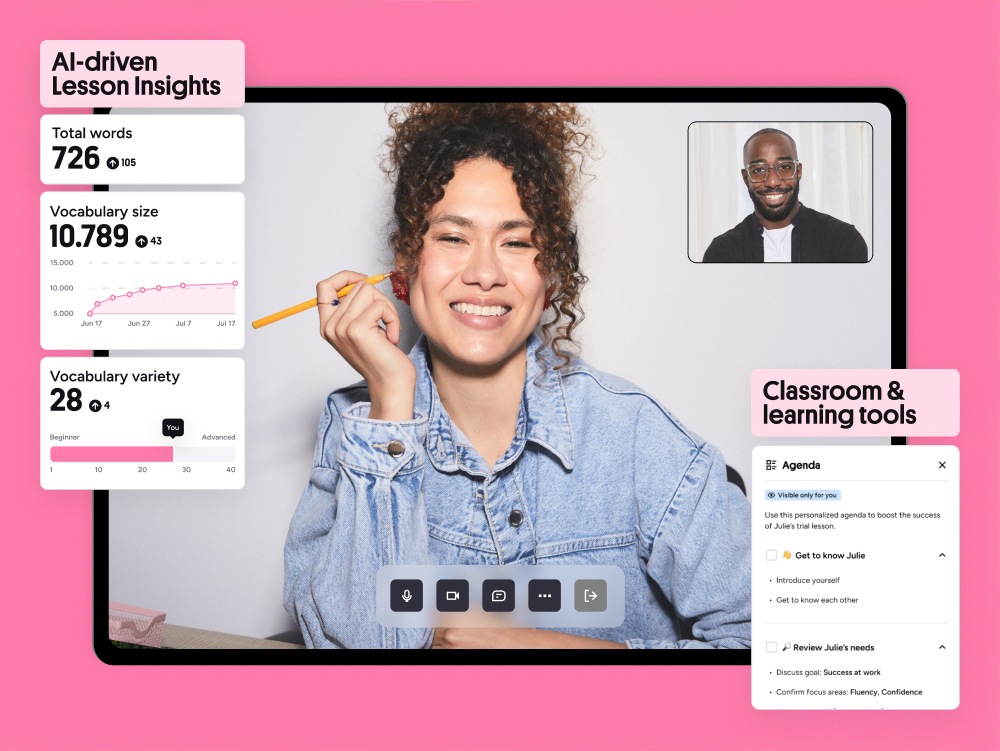
Lesson recordings are available if both parties consent. Record one lesson per month. Listening to yourself reveals habits you miss in the moment: filler words, repeated errors, flat intonation. It is uncomfortable but effective.
Common Conversation Lesson Formats
Tutors tend to default to a few formats. Knowing them helps you request what works.
Scroll horizontally to see all columns
| Format | Description | Best For |
|---|---|---|
| Free conversation | Unstructured chat on any topic | Fluency maintenance, comfort building |
| Topic-based discussion | Pre-shared article, video, or question set | Vocabulary expansion, opinion expression |
| Role-play scenarios | Simulated situations: interviews, meetings, complaints | Practical preparation, confidence under pressure |
| Structured feedback cycles | Speak 5 min, get 2 min correction, repeat | Error fossilization, specific habit change |
| Shadowing and repetition | Tutor models, student mimics with correction | Pronunciation, rhythm, intonation |
Most effective tutors mix formats. A lesson might start with free conversation, move to a role-play for a work scenario, then end with targeted feedback on two pronunciation patterns that appeared. Ask tutors during trials which formats they use and how they decide.
Scheduling and Consistency Realities
Preply lets you book single lessons or recurring weekly slots. Recurring slots guarantee your tutor's time but lock you in. Single lessons offer flexibility but popular tutors fill up fast. The platform sends reminders, but time zone confusion still happens — double-check the displayed time matches yours.
Cancellation policy: 4 hours notice for full refund, less than 4 hours and the tutor keeps the fee. Some tutors are stricter. Read the tutor's profile policy before booking. Life happens, but repeated last-minute cancellations damage the relationship and some tutors will drop you.
The Preply English Level Test and Placement
Preply offers a free adaptive English level test covering grammar, vocabulary, listening, and reading. It takes 20–30 minutes and gives a CEFR estimate (A1–C2). The test does not assess speaking. Your conversation level may differ significantly from your test score.
Use the test as a rough baseline, not a prescription. Share the result with your tutor if you want, but a good conversation tutor will assess your speaking in the first five minutes anyway. The test is more useful for tutors who incorporate grammar or reading into lessons.
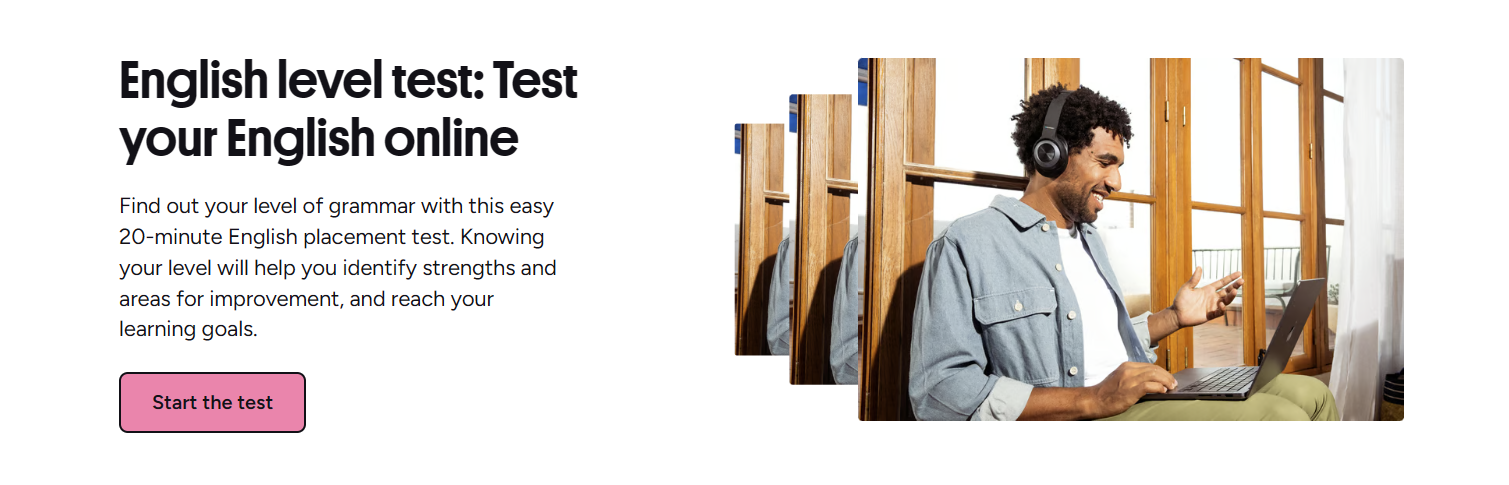
Retake the test every 3–4 months if you want a progress marker. Do not obsess over the score. Speaking progress shows up in comfort, range, and correction frequency long before the test budges.
Tracking Progress Without Formal Tests
Preply's progress tracking shows lesson count, hours, and tutor ratings. It does not measure speaking improvement. You need your own metrics.
- Record a 2-minute monologue on the same topic monthly. Compare fluency, vocabulary range, error patterns.
- Track "words per minute" in free conversation segments. Increasing speed with maintained accuracy signals automation.
- Note topics you can now discuss that were impossible three months ago: abstract ideas, hypotheticals, emotional nuance.
- Ask your tutor for a quarterly written summary: strengths, persistent weaknesses, recommended focus.
The platform's "Learning Plan" feature lets tutors set goals and track them. Few tutors use it consistently. If yours does, great. If not, keep a simple spreadsheet: date, tutor, topic, format, one thing improved, one thing to work on.
Progress in conversation feels invisible day to day. Monthly recordings make it undeniable.
When to Switch Tutors
Sticking with one tutor builds rapport and lets them track your patterns. But sometimes switching is the right move. Signs it is time:
- You predict every correction before they make it — you have internalized their feedback style
- Lessons feel like social calls with no challenge or new vocabulary
- The tutor cancels or reschedules frequently
- Your goals shifted: you need business English, they teach travel English
- You hit a plateau and a fresh perspective might unlock it
Switching every few lessons prevents depth. Staying with a mismatched tutor wastes months. The sweet spot: commit to 8–12 lessons with a tutor, then evaluate. If you switch, tell the new tutor what you worked on and what stalled. Share recordings if you have them.
Preply for Business English Conversation
Many learners use Preply specifically for workplace English. The platform has a "Business English" specialty filter and some tutors list corporate experience. But "Business English" on a profile often just means they taught professionals once.
For genuine business conversation practice, look for tutors who: have actual corporate or industry experience, can simulate meetings and negotiations, understand email and report conventions, and offer structured feedback on professional communication. Ask in the trial: "Can we role-play a Q&A after a presentation?" Their comfort level tells you everything.
Preply also sells a separate "Preply Business" product for companies. That is a different service with admin dashboards, reporting, and dedicated support. Individual learners do not need it.
Accent and Pronunciation Work in Conversation Lessons
Accent reduction is a specialized skill. Most conversation tutors can spot obvious pronunciation issues but lack systematic methods to fix them. If accent is a priority, filter for "Pronunciation" specialty and ask specifically about their approach in the trial.
Effective pronunciation tutors use minimal pairs, visual feedback (mouth position), recording comparison, and targeted drills — not just "say it again." They also prioritize: which sounds actually impede understanding versus which are just accent markers. Fixing /θ/ (th) matters more for intelligibility than perfecting the American flap T.
Group Lessons and Conversation Clubs
Preply offers group lessons for some languages, but English group options are limited compared to 1-on-1. The group format changes dynamics: less speaking time per person, more listening practice, peer interaction. Some learners supplement 1-on-1 with conversation clubs on other platforms (Meetup, Discord, Tandem) for variety.
If you find a Preply tutor who runs small groups (3–4 students), it can be cost-effective for discussion practice. But you lose individual correction. Treat groups as fluency maintenance, not primary skill building.
Technical Setup and Platform Quirks
Preply's video classroom runs in the browser. Chrome works best. Firefox and Safari occasionally have microphone permission issues. The mobile app works for lessons but the whiteboard is cramped on phone screens. Use a computer for serious sessions.
Connection quality depends on both sides. Tutors in regions with unstable internet may have drops. Test your setup in the "Check your connection" tool before the first paid lesson. Use a wired connection if possible. Headset microphone beats laptop mic for correction clarity.
Scroll horizontally to see all columns
| Item | Recommendation |
|---|---|
| Browser | Chrome latest version |
| Connection | Wired > WiFi > Mobile data |
| Audio | USB headset with boom mic |
| Camera | 720p minimum, eye-level position |
| Environment | Quiet room, minimal echo |
| Backup | Phone with Preply app installed |
The platform occasionally logs you out mid-lesson if the session expires. Refreshing usually restores it. Save whiteboard content periodically if the tutor writes extensive notes.
Cost Management and Subscription Mechanics
Preply uses a subscription model: you buy a package of hours (4, 8, 12, or 20) that expires in 28 days. Unused hours do not roll over. This creates pressure to use lessons or lose money. The per-hour price drops with larger packages.
If your schedule is unpredictable, buy the smallest package and rebuy as needed. The per-hour penalty is worth the flexibility. If you are consistent, the 12- or 20-hour packages save 10–15%. You can change tutors within a package; hours are not tied to a specific tutor.
Promo codes for first-time users typically offer 50% off the first package. Check the Preply website or partner sites before buying. The discount applies to the first package only.
Refunds, Disputes, and Support Reality
Preply support responds within 24 hours for most issues. Refunds for unused hours are possible but require contacting support and explaining the reason. Tutor no-shows qualify for automatic refund if reported. Technical failures on Preply's side (rare) also qualify.
Disputes about lesson quality are harder. "The tutor talked too much" or "I didn't learn anything" rarely gets a refund unless the tutor violated platform policy. This is why trial lessons matter: they are your quality filter before committing hours.
Comparing Preply to Alternatives for Conversation
Preply is not the only option. Italki has a similar marketplace model with more tutors and slightly lower average prices. Cambly offers on-demand native speakers 24/7 without booking — good for spontaneous practice, bad for continuity. Tandem and HelloTalk are free language exchange apps, not tutoring. Each serves a different need.
Scroll horizontally to see all columns
| Platform | Model | Best For |
|---|---|---|
| Preply | Marketplace, scheduled 1-on-1 | Structured progress with a consistent tutor |
| Italki | Marketplace, scheduled 1-on-1 | Larger tutor pool, often lower prices |
| Cambly | On-demand native speakers | Spontaneous practice, no scheduling |
| Tandem/HelloTalk | Free language exchange | Casual chat, mutual help, zero cost |
| EF English Live / Lingoda | School with curriculum | Guided program, group classes |
Many learners use Preply for structured weekly lessons and Cambly or Tandem for extra immersion hours. There is no exclusivity. The combination often works better than any single platform.
Red Flags in Tutor Profiles and Trials
Some warning signs appear before you book. Others show up in the trial.
- Profile: No video intro, generic bio, only 5-star reviews with identical phrasing
- Profile: Claims expertise in everything (IELTS, business, kids, accent, grammar, writing)
- Trial: Tutor dominates talking time, interrupts constantly, or gives no corrections
- Trial: No questions about your goals, level, or preferences
- Trial: Pushes to buy large package immediately before establishing fit
- Trial: Poor connection, background noise, distracted behavior
- Trial: Cannot explain their correction philosophy or lesson structure
Trust your gut in trials. If the dynamic feels off, it will not improve with time. Move to the next tutor.
A good conversation tutor makes you speak 70% of the time and leaves you with three specific things to practice.
Building a Sustainable Conversation Routine
Motivation fades. Systems persist. A routine that survives busy weeks:
- Same day, same time, same tutor — remove decisions
- Prepare one topic or question before each lesson — remove "what do we talk about"
- Keep a running note of phrases you wanted but could not find — review weekly
- Schedule a monthly "progress lesson" with a different tutor for fresh perspective
- Pair lessons with 15 minutes daily input: podcast, video, article in English
The daily input matters more than the weekly lesson for long-term acquisition. Lessons activate and correct; input builds the mental database. Preply tutors can recommend level-appropriate content if you ask.
Final Assessment of Preply English Conversation Tutors
Preply delivers what it promises: access to thousands of tutors for scheduled 1-on-1 conversation practice. The platform tools support the work but do not do it for you. Success depends on choosing a tutor who matches your learning style, structuring lessons for deliberate practice, and showing up consistently. The marketplace model means you can iterate quickly — bad fit? Book a different trial tomorrow. That flexibility is the real value. If you treat it as a managed service that guarantees results, you will be disappointed. If you treat it as a tool to find and work with a good conversation partner, it works well.
Frequently Asked Questions
How many trial lessons should I book before choosing a tutor?
Book 3–5 trials with tutors who have different profiles: native and non-native, different price points, different teaching styles. Compare how they handle correction, conversation flow, and goal-setting.
Can I get a refund if I don't like my tutor after buying a package?
Refunds for preference mismatches are discretionary. Preply typically refunds only for tutor no-shows or platform technical failures. Use trial lessons to avoid this situation.
Do I need to buy the Preply Courses feature for conversation practice?
No. Courses are separate structured programs. Regular tutor lessons are fully customizable. Many tutors create their own materials or use free resources. Ask tutors in trials what materials they use.
How often should I take conversation lessons for real progress?
Weekly 60-minute lessons work for most people. Biweekly 90-minute sessions are the minimum for measurable improvement. Less frequent than biweekly usually leads to stagnation.
Can I switch tutors in the middle of a subscription package?
Yes. Hours in your package are not tied to a specific tutor. You can book different tutors for different lessons within the same package period.
What is the difference between Preply and Preply Business?
Preply Business is a corporate product with admin dashboards, reporting, and dedicated support for companies. Individual learners use the standard Preply platform.
Does Preply work for complete beginners in English conversation?
Yes, but beginners need tutors experienced with low-level learners who use visual aids, simplified input, and structured scaffolding. Filter for "Beginners" specialty and verify in trials.