

Language Learning
Preply Japanese Tutors: Finding the Right Teacher for Your Goals
A practical guide to selecting Japanese tutors on Preply based on budget, teaching style, and learning objectives.
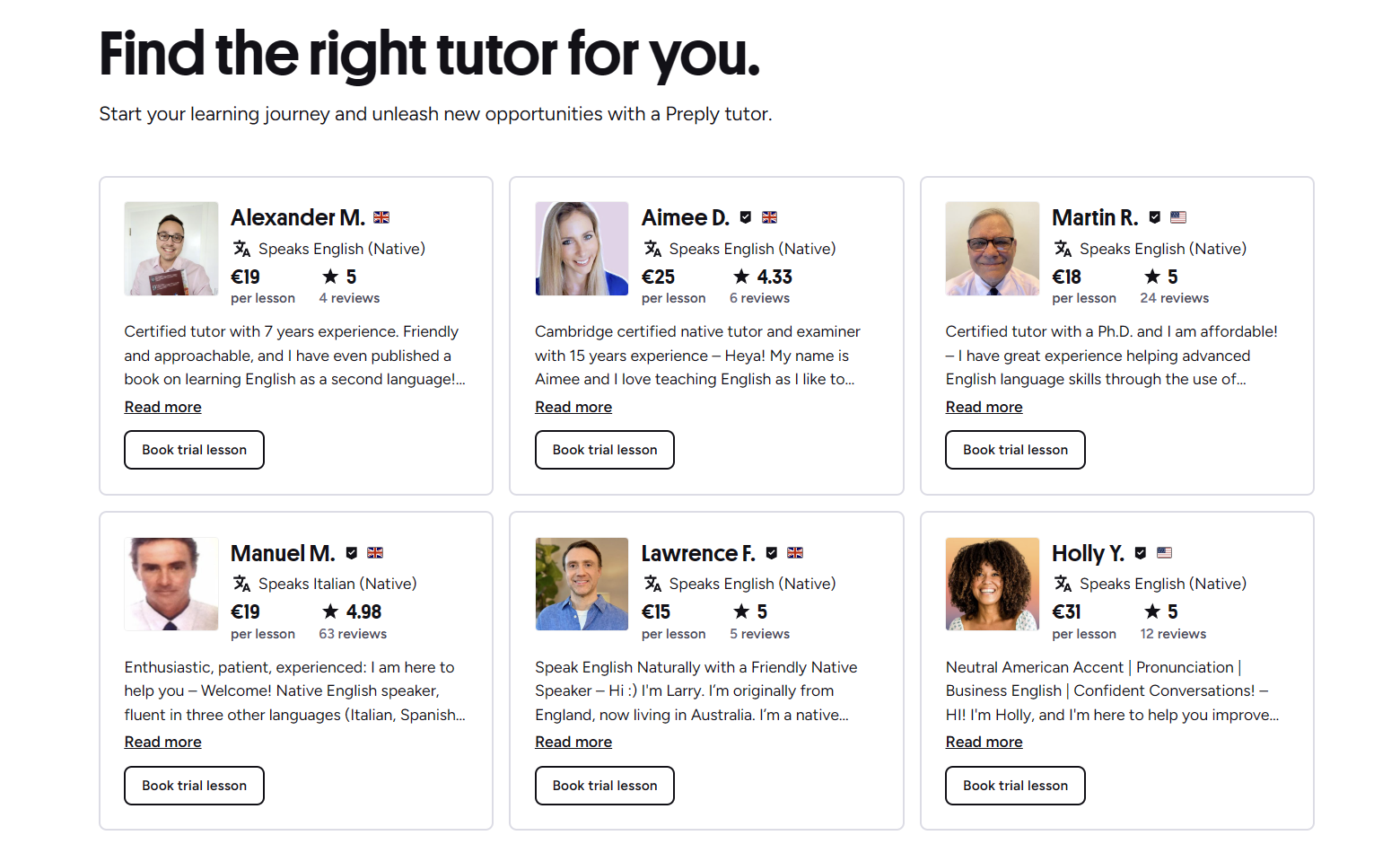
Preply hosts hundreds of Japanese tutors, each with different backgrounds, teaching styles, and price points. The platform makes it easy to browse profiles, but the sheer volume of options can feel overwhelming when you're trying to decide who's actually worth your time and money. This guide walks through how to filter effectively, what to look for in a tutor profile, and how to structure your learning so you make steady progress rather than spinning your wheels.
Contents
- 1. How Preply Japanese Tutor Search Works
- 2. Filtering by Specialty: JLPT, Business, Conversation
- 3. Reading Tutor Profiles: What Actually Matters
- 4. Understanding the Review System
- 5. Trial Lessons: How to Evaluate Fit Quickly
- 6. Pricing Tiers and What You Get
- 7. Scheduling and Time Zone Strategy
- 8. Lesson Format: Platform Tools vs. External Apps
- 9. Structuring Your Learning Path
- 10. Common Pitfalls and How to Avoid Them
- 11. Supplementing Preply with Other Resources
- 12. Preply for Business Japanese: What's Different
- 13. Technical Setup: Avoiding Preventable Frustrations
- 14. Refunds, Credits, and Dispute Resolution
- 15. Final Assessment of Preply Japanese Tutors
Most learners come to Preply for Japanese with one of three goals: passing the JLPT, improving conversation skills for travel or work, or building a foundation from zero. The tutor you need for JLPT N2 grammar drills is not the same tutor who will help you sound natural in a Tokyo izakaya. Understanding your own goal before you start filtering saves hours of trial lessons with mismatched teachers.
The platform's search filters let you sort by price range, availability, tutor nationality, and specialty tags like "JLPT" or "Business Japanese." But filters only surface profiles. The real signal comes from reading reviews carefully, watching introduction videos, and paying attention to how tutors describe their methodology. A tutor who lists "conversation practice" but has no structured curriculum for beginners will likely leave you frustrated after a few sessions.
How Preply Japanese Tutor Search Works
When you open the Japanese tutor directory, you see a grid of profile cards showing each tutor's photo, hourly rate, rating, number of reviews, and a few specialty badges. The default sort order prioritizes tutors with high ratings and recent activity, but you can reorder by price low to high, highest rated, or most reviews. Each card also shows the tutor's time zone, which matters more than people realize — booking a 7 AM lesson with someone in Osaka works fine until daylight saving shifts your schedule.
Clicking a profile opens a detailed view with the tutor's introduction video, written bio, education and certification details, teaching materials they use, and a calendar showing available slots. The calendar respects your local time zone, so you don't need to do mental math. One detail many miss: the "Lesson duration" dropdown on the booking page lets you choose 30, 45, 60, or 90 minutes. Shorter lessons cost less per session but the hourly rate stays the same, so you're not saving money — just committing less time per week.
Preply takes a commission from each lesson — 18% for new tutors, decreasing to 10% for veterans with high ratings and many completed hours. This affects tutor pricing. A teacher charging $25 per hour nets roughly $20–22 depending on their tier. Tutors set their own rates, so you'll see everything from $8 to $60+ per hour for Japanese. The platform doesn't cap prices, but market pressure keeps most experienced tutors between $15 and $35.
Filtering by Specialty: JLPT, Business, Conversation
The specialty tags on tutor profiles are self-reported. Preply doesn't verify them, so a tutor can tag "JLPT" after helping one student pass N5. Look for specificity in the bio: "JLPT N2 grammar and reading strategies using official practice tests" signals real experience. "JLPT preparation" alone could mean anything. The same goes for "Business Japanese" — check whether they mention keigo, email writing, meeting phrases, or industry-specific vocabulary.
Conversation-focused tutors often describe their approach as "free talk" or "topic-based discussion." That works well for intermediate learners who need output practice, but beginners need structure. A good conversation tutor for lower levels will still prepare vocabulary lists, correct errors systematically, and scaffold the dialogue. If their bio only says "let's chat," they're probably not equipped to teach foundations.
Scroll horizontally to see all columns
| Specialty Tag | What to Look For | Best For |
|---|---|---|
| JLPT Preparation | Specific level experience, official materials, mock test practice | Exam-focused learners |
| Business Japanese | Keigo training, email templates, meeting roleplays | Professionals working with Japanese companies |
| Conversation Practice | Structured topics, error correction method, vocabulary prep | Intermediate+ learners needing output |
| Beginner Foundations | Textbook-based curriculum, hiragana/katakana/kanji progression | Zero to N5 learners |
| Kids/Teens | JLPT for young learners, games, age-appropriate pacing | Children and teenagers |
Some tutors specialize in niche areas: classical Japanese, dialect coaching (Kansai-ben, Hakata-ben), translation practice, or anime/manga Japanese. These appear less frequently in search results because the tags are broader. If you have a specific interest, search the tutor's bio text directly using your browser's find function — Preply's search doesn't index full bio content.
Reading Tutor Profiles: What Actually Matters
The profile photo and rating catch your eye first, but the written bio tells you whether the tutor's approach matches how you learn. Look for concrete details: which textbooks they use (Genki, Minna no Nihongo, Tobira, Quartet), whether they assign homework, how they handle error correction, and what a typical lesson structure looks like. Vague bios like "I make learning fun and easy" usually mean the tutor improvises every session.
Education and certification sections show degrees and teaching licenses. A Japanese teaching license (日本語教師養成講座修了) or university degree in Japanese education carries more weight than a generic TEFL certificate. That said, many excellent tutors on Preply are native speakers without formal credentials who've developed effective methods through thousands of lessons. Don't disqualify someone solely on paper — weigh it alongside reviews and the intro video.
The introduction video is your best preview of teaching style. Watch for: does the tutor speak clearly at a natural pace? Do they switch to English appropriately for explanations? Is the audio quality decent? A tutor who mumbles through a 45-second video recorded in a noisy cafe will likely have similar audio issues during lessons. Good tutors invest in a decent microphone and quiet space because they treat this as a profession.
Understanding the Review System
Preply reviews are left after completed lessons. Students rate 1–5 stars and write optional comments. The overall rating is an average, but the distribution matters more. A tutor with 4.9 stars from 200 reviews where 190 are 5-star and 10 are 1-star (technical issues, no-shows) is different from a tutor with 4.7 stars from 200 reviews clustered around 4 and 5. Read the 3- and 4-star reviews — they often contain the most useful detail about pacing, homework load, and communication style.
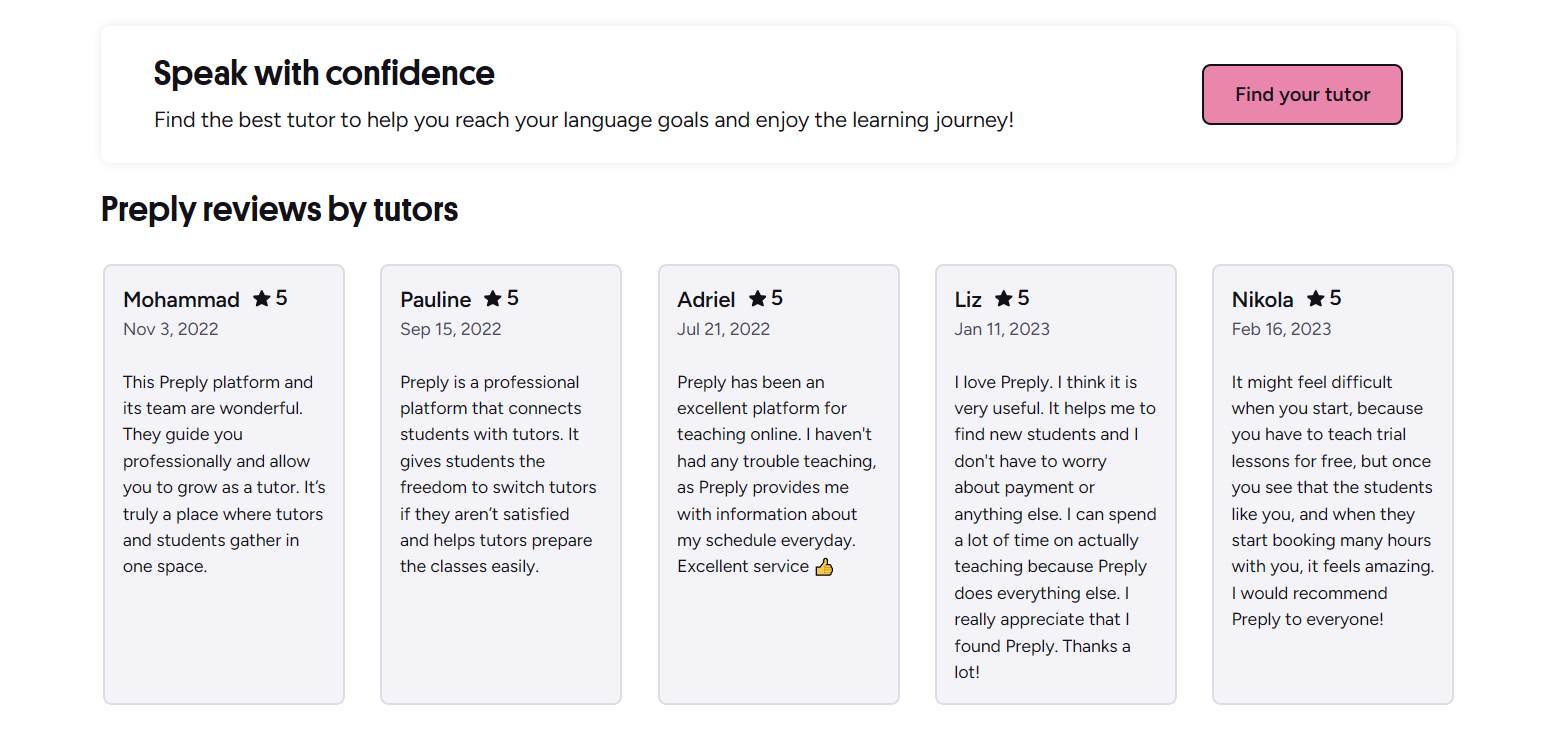
Preply doesn't verify that reviewers actually took lessons with the tutor, but the system only prompts reviews after a session is marked complete. Fake reviews exist on every platform, but patterns give them away: identical phrasing across multiple reviews, reviews posted minutes apart, or glowing praise from accounts with no other activity. Genuine reviews mention specific things — "corrected my particle usage in real time," "assigned Genki chapter 3 exercises," "helped me practice keigo for a job interview."
A tutor with fifty detailed 4-star reviews is often a better bet than one with twenty generic 5-star reviews. Specificity signals real engagement.
Trial Lessons: How to Evaluate Fit Quickly
Preply offers discounted trial lessons — typically 50% off the tutor's regular rate for a 50-minute session. You get one trial per tutor, and you can book trials with multiple tutors. Use this strategically. Don't just chat. Come prepared with a mini-assessment: ask the tutor to evaluate your level, explain how they'd structure a month of lessons for your goal, and demonstrate their error correction style. A good tutor will have a ready answer. A tutor who says "we'll figure it out" is winging it.
During the trial, pay attention to talk time ratio. You should be speaking Japanese 60–70% of the time in a conversation-focused lesson, or following a structured activity in a grammar lesson. If the tutor dominates the time explaining things in English, you're paying for a lecture, not practice. Also note whether they type corrections in the chat, use a shared document, or rely on verbal feedback only. Written corrections let you review later; verbal ones vanish.
Pricing Tiers and What You Get
Japanese tutor rates on Preply cluster in three loose tiers. Budget tier ($8–15/hour): often newer tutors, native speakers without teaching credentials, or tutors in lower-cost regions. Some are excellent; many lack structure. Mid tier ($16–30/hour): experienced tutors with solid reviews, teaching certifications, or specialized materials. This is where most serious learners find value. Premium tier ($31–60+/hour): JLPT specialists, business Japanese coaches, tutors with advanced degrees or corporate training backgrounds. Diminishing returns kick in above $40 unless you need highly specific exam or industry prep.
Scroll horizontally to see all columns
| Tier | Hourly Range | Typical Profile |
|---|---|---|
| Budget | $8–15 | New tutors, native speakers without certification, limited materials |
| Mid | $16–30 | Experienced, certified, structured curriculum, good review volume |
| Premium | $31–60+ | JLPT specialists, business coaches, advanced degrees, corporate clients |
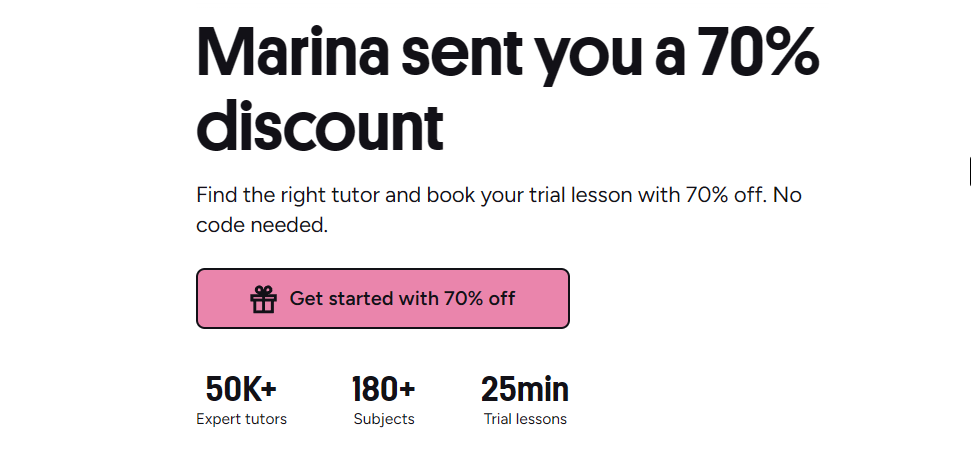
Preply sells lesson packages: 5, 10, 15, or 20 hours. Buying a package locks in the tutor's current rate and gives a small discount (usually 2–5%). It also commits you to that tutor — you can't transfer unused hours to another teacher. If you're still sampling, pay per lesson. Once you've found a match, a 10-hour package makes sense. The platform also runs periodic promotions (first lesson free, 70% off first package) — check the homepage or your email before booking.
Scheduling and Time Zone Strategy
Japanese tutors on Preply live worldwide — Japan, North America, Europe, Southeast Asia, South America. Their available slots reflect their local time. A tutor in Tokyo offering 7–10 PM JST slots works for US morning learners but not for European evenings. Filter by "Available now" or set your preferred days/times in the search to surface tutors whose schedules actually align with yours. Don't assume you'll "make it work" with a 3 AM slot. You won't.
Consistency beats intensity. Two 45-minute lessons per week every week beats one 3-hour cram session every two weeks. The platform lets you set recurring weekly bookings with a tutor, which reserves the slot and often gets you priority if their calendar fills. Most tutors require 24-hour notice for cancellations or rescheduling. Preply's policy: cancel within 24 hours and you lose the lesson credit. Some tutors are stricter. Confirm their personal policy in the first message.
Lesson Format: Platform Tools vs. External Apps
Preply's built-in video classroom (Preply Space) handles video, chat, screen sharing, and a shared whiteboard. It works in browser — no download required. Most tutors use it. Some prefer Zoom, Skype, or Google Meet for stability or features like recording. Preply allows external tools but recommends staying on-platform for dispute resolution. If a lesson has technical issues on Preply Space, support can verify. On Zoom, it's your word against the tutor's.
The whiteboard is useful for kanji stroke order, grammar diagrams, and collaborative text editing. Chat history persists between lessons, so corrections and vocabulary lists accumulate. Screenshare lets tutors walk through textbook pages, Anki decks, or news articles. One limitation: Preply Space doesn't record lessons natively. If you want recordings, use OBS locally or ask the tutor to record on their end (many won't for privacy).
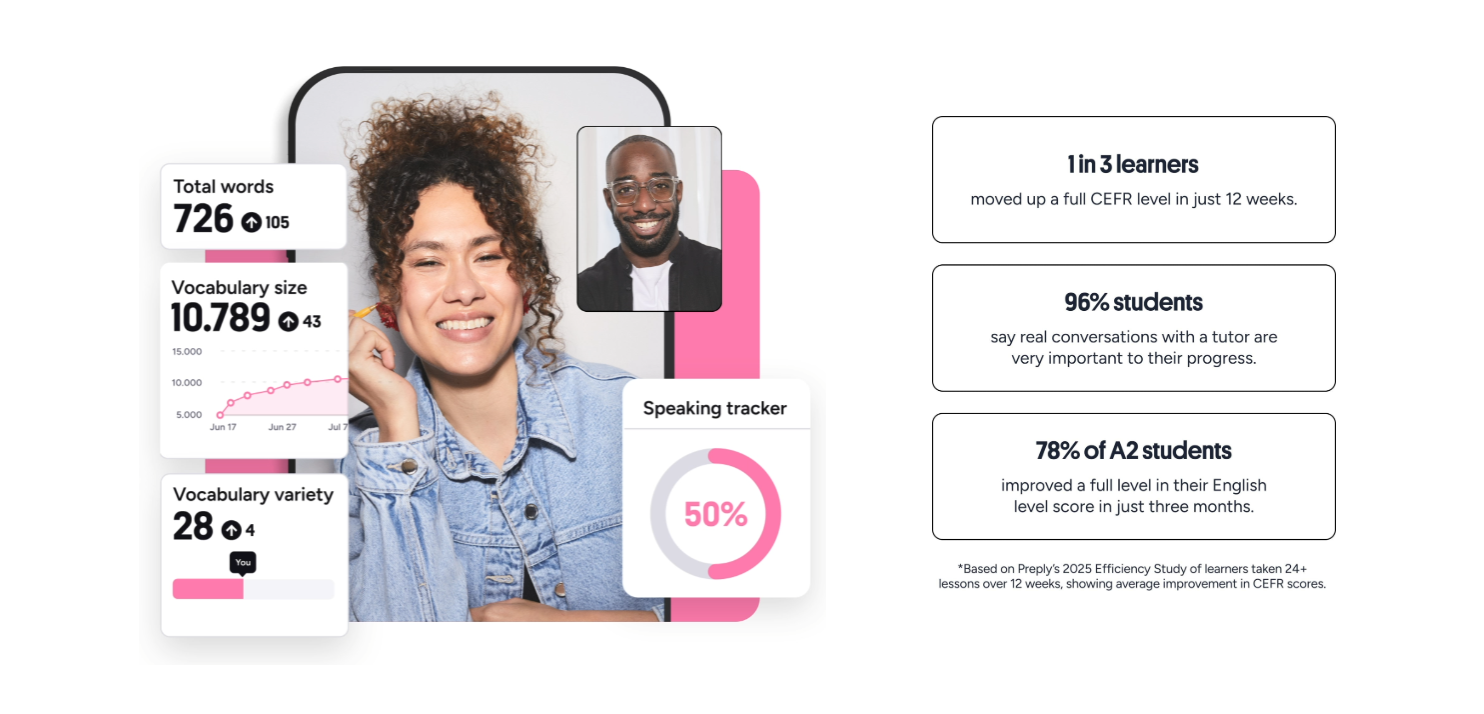
Preply's progress tracking shows lesson count, hours completed, and a skill radar chart (speaking, listening, reading, writing, vocabulary, grammar). It's auto-generated from lesson data and tutor assessments. Useful for motivation, but don't treat the radar as a precise proficiency measure. A tutor's subjective "speaking: 70%" rating means whatever that tutor thinks it means. The JLPT practice test scores some tutors assign are more reliable benchmarks.
Structuring Your Learning Path
Random lessons with random tutors produce random results. Define a 3-month goal, then work backward. Example: "Pass JLPT N4 in December." Break it into monthly targets: Month 1 — finish Genki I, master 300 kanji, nail basic particles. Month 2 — Genki II chapters 13–17, add 200 kanji, start N4 mock tests. Month 3 — full mock exams, weak area drills, listening practice. Share this plan with your tutor. A good one will align their lessons to it. A tutor who ignores your plan and teaches whatever they feel like is not a partner.
Self-study between lessons is where progress actually happens. Lessons are for feedback, correction, speaking practice, and clarification. Vocabulary drilling, kanji review, grammar exercises, listening — do these on your own. Ask your tutor for specific Anki decks, textbook exercises, or podcast recommendations tied to each lesson. If they can't give you concrete between-session work, they're not structuring your learning.
The lesson is the compass. The days between lessons are the journey. Most learners confuse the two.
Common Pitfalls and How to Avoid Them
Switching tutors too often is the most common waste of time and money. Each new tutor spends 1–2 lessons assessing you, learning your gaps, and adjusting. Three tutors in a month means 3–6 lessons spent on onboarding instead of progress. Give a tutor at least 8–10 lessons (2–3 months at weekly frequency) before deciding, unless there's a clear mismatch — chronic lateness, no preparation, dismissive attitude, or audio issues that don't improve.
Another trap: booking the cheapest tutor and expecting premium results. A $10/hour tutor can be great for conversation practice if you're already intermediate and just need a patient listener. But for structured grammar, JLPT strategy, or business keigo, you're paying for curriculum design and error analysis — skills that take years to develop. Match the rate to the task. Don't hire a $12 tutor for N1 prep and blame them when you fail.
Supplementing Preply with Other Resources
Preply tutors are one piece of a learning ecosystem. They excel at interactive practice, personalized feedback, and accountability. They're less efficient for raw input — vocabulary acquisition, kanji recognition, grammar pattern exposure. Pair lessons with: Anki (spaced repetition for vocab/kanji), graded readers (Tadoku, NHK Easy News), podcasts (Nihongo con Teppei, Learn Japanese with Noriko), and a textbook spine (Genki, Quartet, Tobira). Your tutor should know what you're using outside lessons and reference it.
Some tutors create custom materials: Google Docs with grammar cheat sheets, Notion pages tracking your vocab, shared Anki decks. This is a strong signal of investment. If a tutor only uses the textbook during the lesson and sends nothing after, you're doing the organization work yourself. That's fine if you're organized. If you're not, look for a tutor who builds a learning hub for you.
Scroll horizontally to see all columns
| Purpose | Tool | Cost |
|---|---|---|
| Vocabulary & Kanji SRS | Anki (shared decks: Kaishi 1.5k, Core 2000) | Free (iOS $25) |
| Grammar Reference | Tae Kim's Guide, Cure Dolly YouTube, Bunpro | Free / $5/mo |
| Graded Reading | Tadoku.org, NHK News Web Easy, Satori Reader | Free / $9/mo |
| Listening | Nihongo con Teppei, Japanese with Shun, NHK Radio | Free |
| Textbook Spine | Genki I/II, Quartet 1/2, Tobira | $40–60 each |
Preply for Business Japanese: What's Different
Preply Business is a separate product for companies buying lessons for employees. It adds admin dashboards, centralized billing, progress reporting, and dedicated support. Individual learners can still book tutors who specialize in business Japanese — many do both. The difference: Business tutors often have corporate training experience, understand keigo nuances for specific industries (finance, tech, manufacturing), and can simulate meetings, presentations, and email threads. They also tend to charge premium rates.
If you're learning for a specific job, ask the tutor about their industry experience. A tutor who taught business Japanese to Toyota engineers knows different vocabulary than one who prepared flight attendants for JAL. Both are "business Japanese" but the overlap is maybe 30%. Be specific in your first message: "I work in fintech, need keigo for client meetings and regulatory document reading." The right tutor will reply with relevant examples. The wrong one will say "I teach business Japanese" and send a generic keigo PDF.
Business Japanese isn't a single dialect. It's a collection of registers. Your tutor should know which register matches your workplace.
Technical Setup: Avoiding Preventable Frustrations
A stable lesson requires: wired ethernet or strong 5 GHz Wi-Fi, a decent USB microphone (Blue Yeti, Fifine, or even a $30 headset beats laptop mics), headphones to prevent echo, and a quiet room. Test your setup in Preply Space's pre-lesson check — it runs 5 minutes before each session. If the tutor's audio is bad, say so immediately. Don't suffer through 50 minutes of "can you hear me now." Preply support can refund or reschedule if the issue is on the tutor's end, but you need to report it during or right after the lesson.
Use a desktop or laptop, not a phone. The whiteboard, screenshare, and chat are cramped on mobile. If you must use mobile, the Preply app (iOS/Android) works better than the browser. But treat mobile as a backup. Japanese lessons involve reading kanji, typing in Japanese, and viewing shared documents — all painful on a 6-inch screen.
Refunds, Credits, and Dispute Resolution
Preply's refund policy: unused lesson credits from packages are refundable within 30 days of purchase, minus a processing fee. Single lessons aren't refundable after the 24-hour cancellation window. If a tutor no-shows or has technical issues, contact support within 48 hours with the lesson ID. They review chat logs, connection data, and any recordings. Refunds go to your Preply balance by default; you can request a card refund but it takes longer.
Disputes between student and tutor (lesson quality, materials not delivered, behavior) go through Preply's mediation. They're not arbitrators of pedagogy — they won't judge whether a tutor's grammar explanation was "good." They look for policy violations: tutor didn't show up, tutor used external payment, tutor was abusive, lesson wasn't the booked duration. Document everything in Preply chat. Screenshots of the tutor's calendar, chat agreements, and lesson notes help your case.
Final Assessment of Preply Japanese Tutors
Preply works for Japanese learning if you treat it as a tool, not a solution. The platform gives you access to native speakers, flexible scheduling, and a marketplace that rewards tutor quality over time. But it doesn't design your curriculum, enforce your consistency, or do your Anki reviews. The learners who progress fastest are the ones who come with a plan, pick a tutor whose specialty matches that plan, stick with them for months, and do the unglamorous daily work between sessions. If that's you, Preply is a solid investment. If you're hoping a tutor will "make you fluent" while you passively attend lessons, save your money.
Frequently Asked Questions
How much do Preply Japanese tutors typically charge?
Most experienced Japanese tutors charge $15–35 per hour. Budget tutors start around $8, while JLPT specialists and business Japanese coaches can charge $40–60+. Rates reflect experience, credentials, and specialization.
Can I switch tutors if the first one isn't a good fit?
Yes. You can book trial lessons with multiple tutors at discounted rates. Once you purchase a package with a specific tutor, those hours are locked to that tutor and can't be transferred.
Do Preply tutors provide textbooks and materials?
Many do — they share PDFs, Google Docs, Anki decks, or recommend specific textbooks like Genki or Tobira. Ask during the trial lesson. Tutors who only "chat" without materials are better suited for conversation practice than structured learning.
Is Preply good for JLPT preparation?
Yes, if you choose a tutor with documented JLPT coaching experience. Look for tutors who reference specific levels (N5–N1), use official practice tests, and assign targeted homework. Generic "JLPT" tags without detail are not reliable.
How many lessons per week should I take?
Two 45–60 minute lessons per week is a sustainable baseline for steady progress. One lesson works if you're highly disciplined with self-study. Three or more accelerates results but increases burnout risk. Consistency matters more than intensity.
What happens if my tutor cancels or has technical issues?
If the tutor cancels within 24 hours or no-shows, you get the lesson credit back automatically. For technical issues during a lesson, contact Preply support within 48 hours with the lesson ID. They review connection logs and chat history.
Can I use Preply on my phone?
The Preply mobile app (iOS/Android) works for lessons, but desktop is strongly recommended. The whiteboard, screenshare, chat, and Japanese text input are all cramped on a phone screen. Use mobile only as a backup.